
What is Black Swan?
The term black swan was coined by Nassim Taleb, a famous trader, mathematician and author of “The Black Swan: The Impact of the Highly Improbable” book. This is an event that cannot be predicted in advance, but it has a strong impact on the economy, financial markets and life of society. For example, the 2008 crisis or the COVID-19 pandemic in 2020.
The peculiarity of black swans is that in hindsight they seem obvious: after their occurrence, experts find reasons and explain why it was inevitable. However, in practice, they are extremely difficult to predict.
Real examples of unexpected crashes
1. Dotcom crash (2000–2002)
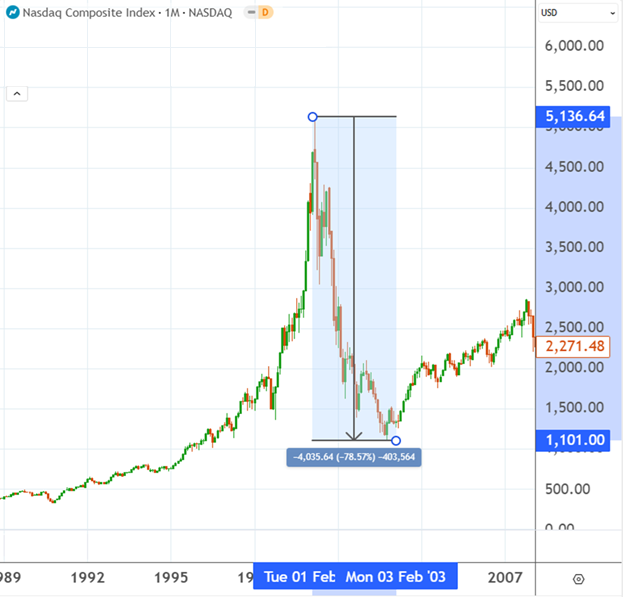
What happened? In the late 1990s, tech companies were growing rapidly despite the lack of profitability. Investors were buying up shares of internet startups, hoping for their future development. However, in 2000, the market realized that most of these companies had no real business. NASDAQ crashed 78%.
What did we learn from this? High expectations can force up prices, but without real value, the bubble will inevitably burst. Today, similar fears surround AI companies and quantum computing startups.
2. Financial crisis of 2008
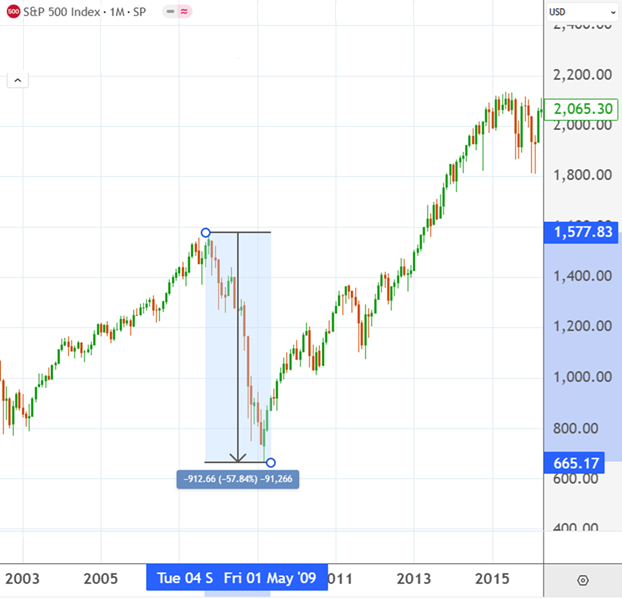
What happened? In the US, mortgages were issued in wholesale numbers without checking the creditworthiness of borrowers. Banks packaged them into compound financial instruments and sold them to investors. When borrowers began to default en masse, the bubble burst, causing a stock market crash and the bankruptcy of major banks, including Lehman Brothers.
What did we learn from this? Compound and opaque financial instruments carry enormous risks. Today’s derivatives and cryptocurrency markets may carry similar threats.
3. Flash Crash of 2010
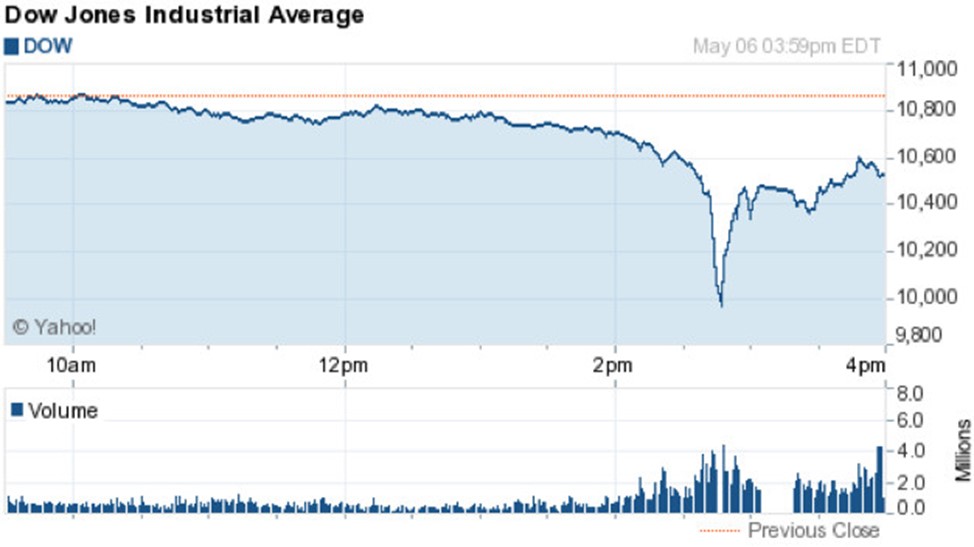
What happened? On May 6, 2010, the US market crashed 9% in a matter of minutes and bounced back just as quickly. The reason was high-frequency trading, in which algorithms automatically sold assets based on small price fluctuations.
What did we learn from this? Algorithmic trading can create sharp movements in the market. If the price of an asset suddenly starts to fall sharply, it may not be a fundamental problem, but a failure of the algorithms.
4. Market Crash due to COVID-19 (March 2020)
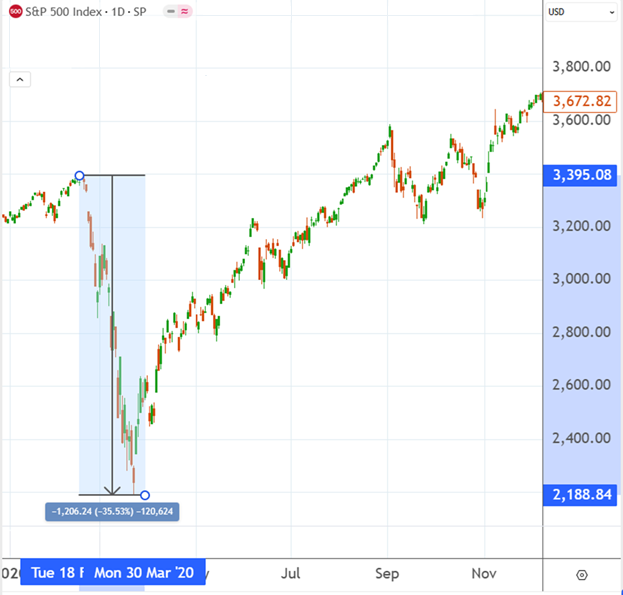
What happened? At the beginning of 2020, no one expected the pandemic to paralyze the global economy. In March, the US stock market crashed 30%, then unexpectedly recovered thanks to emergency measures by the Federal Reserve System and the US government.
What did we learn from this? Rapid and unexpected declines may be followed by equally rapid recoveries if regulators intervene into the market and flood the economy with “free money”.
How to protect yourself from black swans?
Although it is very difficult to predict a black swan, its consequences may be minimized:
1. Diversification – do not invest all your money in one sector or one type of asset.
2. Cash reserves – have some funds in liquid assets (money, bonds) for purchases during drawdowns.
3. Risk hedging – use defensive assets (gold, defensive stocks, options).
4. Monitor liquidity – in times of panic, liquid assets (those that may be sold quickly) are more valuable.
Conclusion
History shows that black swans are inevitable, but the right approach to risk management allows investors not only to protect themselves, but also to take advantage of the opportunities they create. The main thing is not to panic and remember that after every crisis, the market always recovers.