
Nokia and Nvidia Add Artificial Intelligence to Radio Networks — Freedom Commentary
Stock Market News
17 July 2026, 18:53
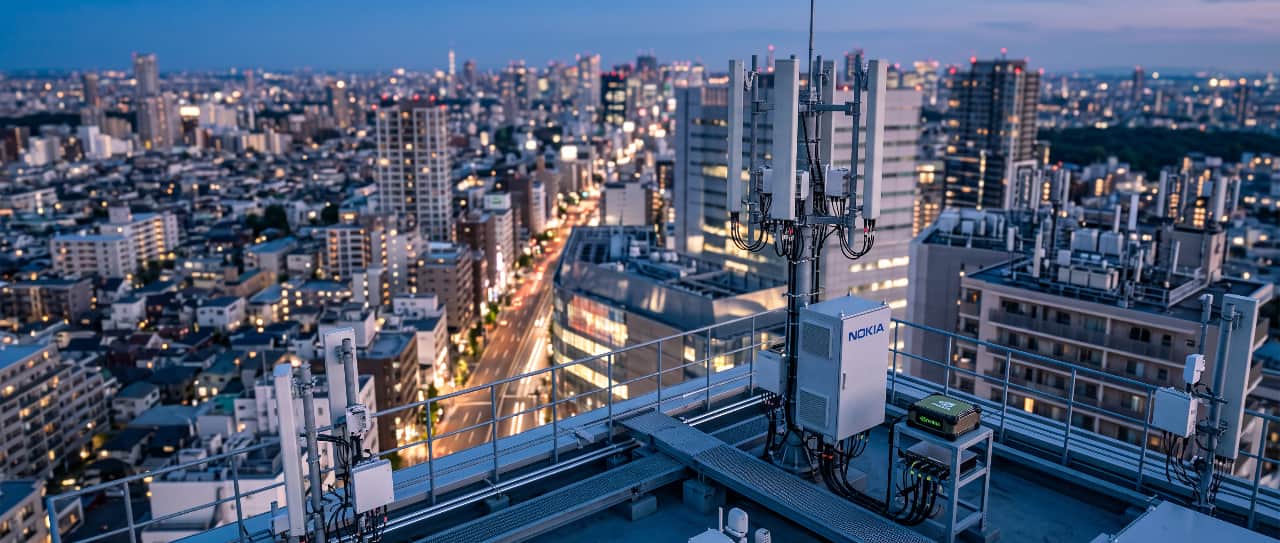
Finland’s Nokia and U.S.-based Nvidia have announced the creation of the world’s first radio access network (RAN) platform with embedded artificial intelligence technologies. The development could significantly change how telecom operators manage mobile networks and accelerate the rollout of next-generation technologies.
What is RAN and why it needs artificial intelligence
The radio access network (Radio Access Network, RAN) is a key part of mobile communications infrastructure and is responsible for transmitting data between users’ devices and the operator’s network.
Freedom analyst Natalya Milchakova emphasizes that the use of artificial intelligence will enable platforms to manage mobile traffic more efficiently. The new technology will be able to predict peak periods of network load, automatically reallocate resources among users, and optimize the availability of frequency channels.
Operators will be able to increase data throughput and improve service quality without the need for large-scale investment in additional equipment.
Why this matters for the telecommunications industry
Global mobile traffic continues to grow rapidly. According to the Ericsson Mobility Report, by the end of 2025 global mobile traffic reached about 146 exabytes per month, and by 2031 the figure will more than double to 328 exabytes per month. At the same time, the share of 5G networks in total mobile traffic will increase from 48% to 85%. The main growth drivers will remain video services, cloud computing, the Internet of Things, and artificial intelligence-based applications.
In these conditions, traditional network management methods are becoming less effective, and AI-powered automation could become one of the key tools for improving the performance of telecommunications infrastructure.
According to Freedom analysts, intelligent network management technologies could become an important element of the future sixth-generation mobile communications standard — 6G.
Where else such technologies can be used
The potential application area for such platforms extends far beyond the telecommunications industry.
Load management and resource allocation technologies can be used in digital ecosystems, marketplaces, fintech services, cloud platforms, and distance learning systems, where the stable operation of infrastructure directly affects the quality of customer service.
What you need to know about Nokia and Nvidia
Nokia remains one of the world’s largest suppliers of telecommunications equipment and solutions for mobile networks. The company is actively investing in the development of 5G infrastructure and next-generation technologies.
Nvidia, in turn, holds leading positions in the market for computing for artificial intelligence and supplies graphics processors and software solutions for data centers, cloud platforms, and AI services.
The collaboration between the two companies combines Nokia’s expertise in telecommunications with Nvidia’s leadership in accelerated computing and artificial intelligence.
What’s happening in the technology market
Freedom previously noted growing investor interest in Nokia amid rising demand for infrastructure for artificial intelligence and next-generation networks. Since the beginning of 2026, the company’s shares have risen by more than 160%, and in early June reached their highest level in the past 17 years.
One of Nvidia’s latest steps in healthcare was the creation, together with Eli Lilly, of a laboratory for drug development using artificial intelligence. The project uses the Nvidia BioNeMo platform and the Vera Rubin computing architecture, and the partners’ total investment volume could reach $1 billion over five years. In addition, Nvidia and Thermo Fisher Scientific are developing AI-based autonomous laboratories to accelerate medical research and trials of new drugs.
Not an individual investment recommendation.