
Pipeline shutdown could fuel further oil price gains – Freedom
Stock Market News
14 September 2026, 19:48
Saudi Arabia shut down the East–West oil pipeline following a drone attack and damage to one of the pumping stations. If the route cannot be restored in the coming days, the global market could lose about 4% of oil supply.
The pipeline became a critically important export route for Saudi Arabia after shipping through the Strait of Hormuz was curtailed, according to Freedom’s lead analyst Natalia Milchakova. A prolonged shutdown could lead to a further increase in the cost of oil and refined products and then intensify inflation in Europe and some Asian countries.
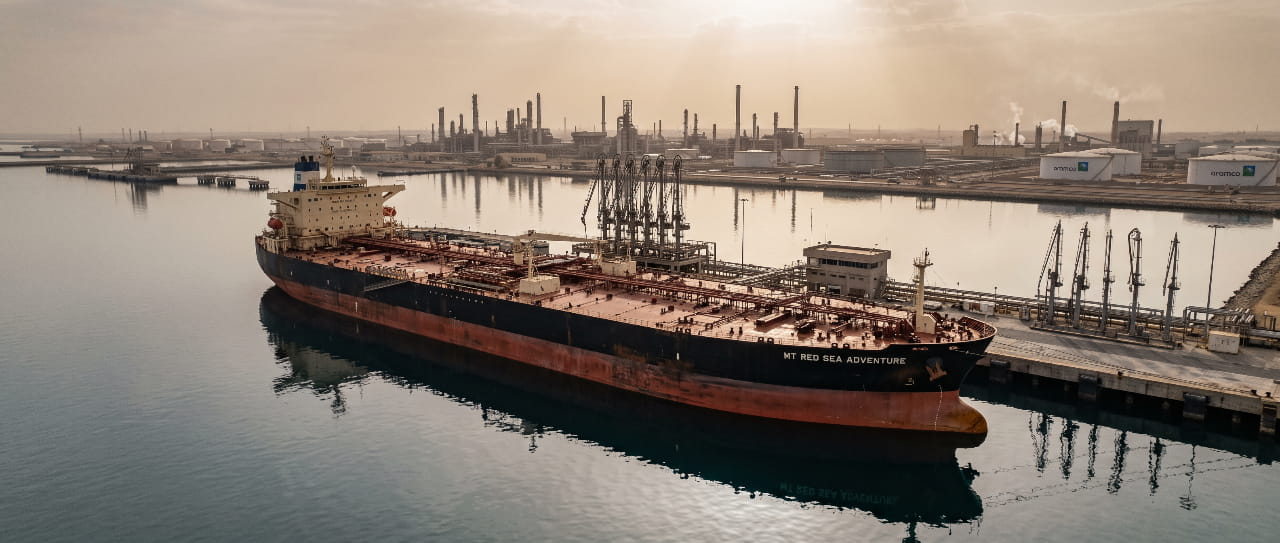
Why the East–West pipeline matters for the market
The pipeline, about 1,200 km long, connects oil-producing areas in eastern Saudi Arabia with the port of Yanbu on the Red Sea coast. Its capacity is about 4–5 million barrels per day.
The route makes it possible to export oil bypassing the Strait of Hormuz, through which under normal conditions about one-fifth of global oil shipments pass. After the Middle East crisis began, tanker traffic through the strait fell sharply, so Saudi Arabia redirected part of its exports to the Red Sea.
Oil from the port of Yanbu is supplied primarily to customers in Asia. Deliveries through this port do not require passage through the Strait of Hormuz, which reduced exporters’ and buyers’ dependence on the situation in the Persian Gulf.
Port inventories will last no more than a week
Saudi Arabia continues to ship oil from inventories accumulated in Yanbu. Additional volumes are stored in the Egyptian ports of Ain Sokhna and Sidi Kerir, but these reserves are also limited.
If repairs drag on, supplies will have to be cut after inventories are depleted. Preliminary estimates for the restoration timeline vary widely: the work could take anywhere from a few days to six weeks.
Over the course of the Middle East crisis, Saudi Arabia’s oil production has already fallen from 10.9 million barrels per day in February to 6.2 million in August. This is the lowest level in more than 30 years.
The International Energy Agency expects global oil supply in 2026 to decline by 5.7 million barrels per day, or about 6%. The shutdown of an additional export route could further worsen the supply-demand balance.
Brent rose above $108 per barrel
After reports of the pipeline shutdown, oil rose in price by more than 3% and at its peak reached $108.65 per barrel. Additional pressure on the market comes from attacks on vessels and oil and gas infrastructure in the Middle East.
According to Natalia Milchakova, if pumping is not resumed soon, the reduction in available supply will continue to support oil prices. In the event of prolonged disruptions, market participants may start pricing in the risk of further depletion of reserves and a shortage of feedstock.
At the same time, restoring the pipeline could ease investors’ concerns and lead to a reduction in the geopolitical premium in oil prices. Therefore, in the coming days, quotes will remain especially sensitive to reports on repair progress and new events in the region.
Expensive oil will intensify inflation in Europe and Asia
Rising crude oil prices lead to higher costs for gasoline, diesel and jet fuel. Companies partially pass higher transportation and production costs on to customers, raising prices for goods and services.
European and Asian countries that are heavily dependent on energy imports are particularly sensitive to such a scenario. For Asian buyers, an additional risk is a drop in supplies from the port of Yanbu, since this route was what made it possible to receive Saudi oil bypassing the Strait of Hormuz.
An acceleration in inflation may also affect central bank decisions. If price growth remains persistent, regulators may keep interest rates high for longer or move to raise them.
Earlier, Freedom reported Brent’s rise above $101 per barrel due to attacks on vessels and energy facilities near the Strait of Hormuz. In addition, the company’s analysts warned that uncertainty in the oil market would persist, since the availability of key transportation routes remains the main source of price volatility.
This is not an individual investment recommendation.