
Freedom: the rate path will become key for the market after the Fed’s decision
Stock Market News
17 September 2026, 16:24
The US Federal Reserve’s rate hike was almost fully priced into market quotes, so the further dynamics of the US market will depend прежде всего on the regulator’s signals regarding its next decisions, Freedom Broker analysts note. If the Fed does not indicate the start of a prolonged tightening cycle, pressure on equities and bonds may prove limited. A signal of a series of hikes, on the contrary, could lead to rising Treasury yields and a decline in stock indices.
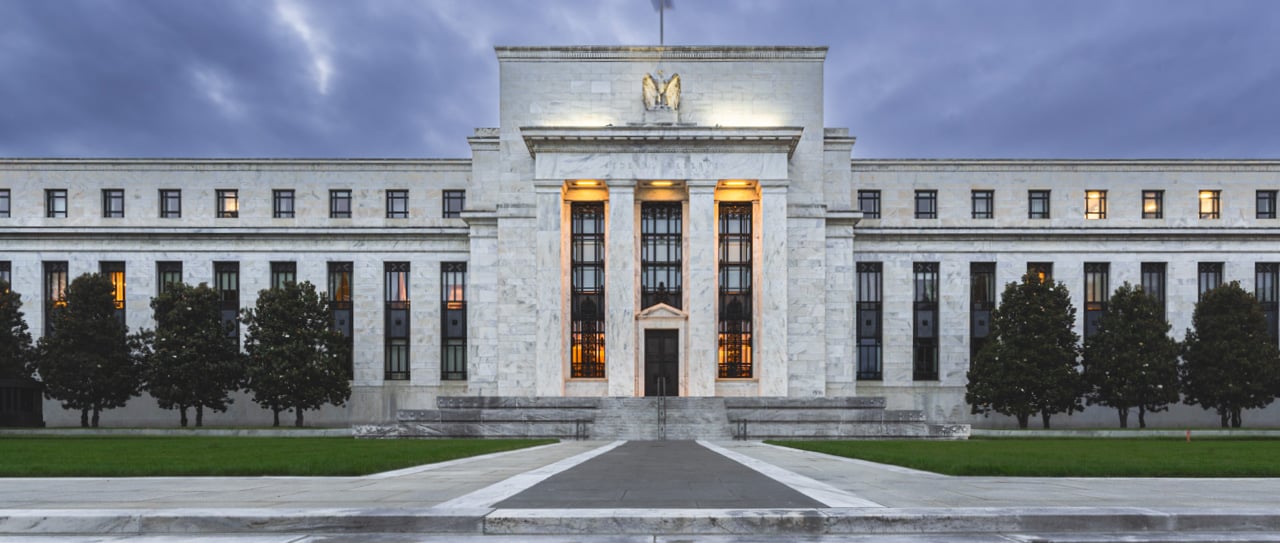
The Fed raised rates for the first time since 2023
On September 16, the Federal Open Market Committee raised the target range for the federal funds rate by 25 basis points — from 3.5–3.75% to 3.75–4%. This is the first increase in the rate since 2023.
The decision was unanimous: all 12 meeting participants voted for it. The regulator noted that economic activity in the United States continues to grow at a solid pace, consumer spending remains steady, and employment gains are consistent with labor force expansion. The unemployment rate, meanwhile, changed little.
At the same time, the Fed indicated that inflation remains elevated. In the regulator’s view, the decision should contribute to a timelier return of price growth to the 2% target.
The market will assess the prospects for further hikes
Freedom Broker analysts noted even ahead of the meeting that the main intrigue lies not in the September decision, but in the дальнейшая trajectory of monetary policy. It is important for investors to understand whether the Fed views the hike as a one-off measure or as the beginning of a series of steps to curb inflation.
Analysts considered a 25-basis-point hike without an explicit signal of prolonged tightening to be relatively favorable for the market. It allows the regulator to demonstrate readiness to fight inflation, but does not imply a sharp increase in the cost of borrowing for companies and consumers.
More hawkish rhetoric and an indication of the need for several subsequent hikes could increase pressure on equities. In that case, investors may revise expected corporate profits and raise required returns on risk assets.
Technology companies and other issuers, a significant portion of whose value is tied to future cash flows, remain especially sensitive to changes in expectations. Higher rates reduce the present value of such income and at the same time make government bonds a more attractive alternative to equities.
Bond yields remain a risk factor
Ahead of the Fed’s decision, the yield on 10-year US Treasury bonds was around 5%. High market rates increase the cost of borrowing for businesses and households, and can also constrain investment and consumer demand.
At the same time, the market had already priced in about 50 basis points of rate increases by year-end, including the September decision. According to Freedom Broker, the heavy concentration of positioning toward tightening creates conditions for a sharp change in quotes: if the Fed’s дальнейшая signals turn out softer than expected, investors may begin unwinding positions built for rising yields. This could support Treasury prices and the equity market.
If, however, the regulator confirms the possibility of continuing the cycle, yields may remain elevated. Additional pressure in such a scenario is likely first and foremost in the short-term segment of the debt market, which reacts more strongly to changes in the policy rate.
This is not an individual investment recommendation.