
Freedom Broker warned of continued turbulence in the U.S. stock market
Stock Market News
30 September 2026, 20:03
The U.S. stock market will remain in a zone of elevated volatility due to rising government bond yields, expensive oil, and stronger expectations of a Federal Reserve rate hike, Freedom Broker analysts believe. They assess the risk balance as neutral, but warn that quote sensitivity to macroeconomic and geopolitical news will persist.
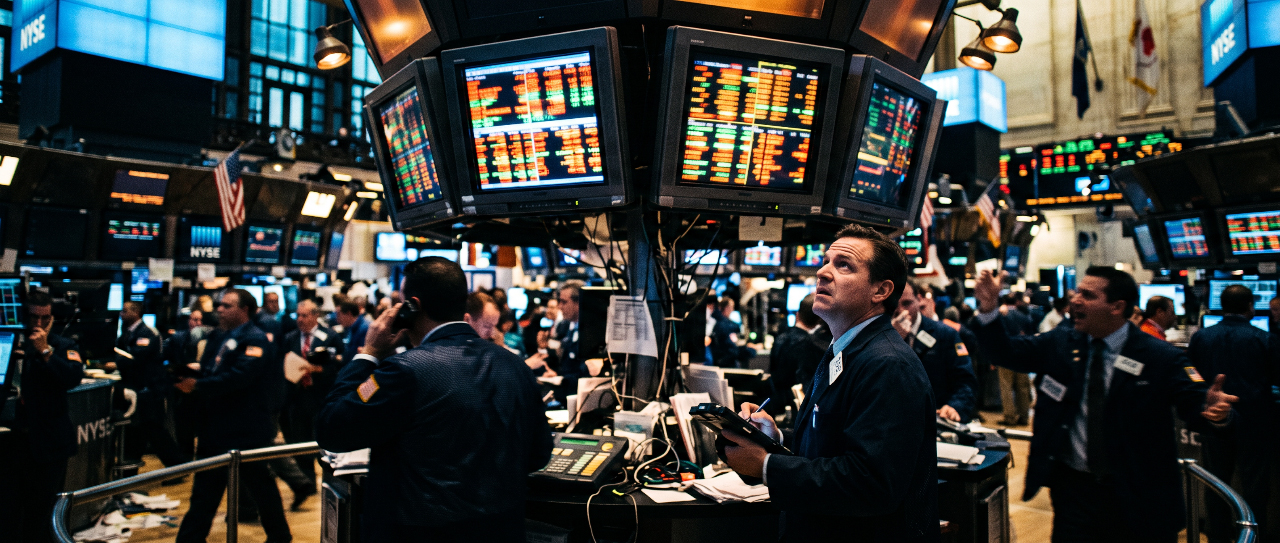
What is driving the market right now
The balance of risks for the upcoming sessions is assessed as neutral amid persistently elevated volatility, Freedom Broker analysts note. The main source of pressure on equities remains the rise in U.S. Treasury yields. The yield on 10-year securities early in the week reached 5.23% and during trading came close to the highest level since 2006. For 30-year bonds, the figure was 5.56%, setting a new intraday high since 2004.
Rising government bond yields increases the risk-free return available to investors and reduces the relative attractiveness of stocks: investors can earn higher returns in reliable debt instruments and therefore demand a larger risk premium when buying equities. Shares of companies whose valuations depend heavily on profits expected in the future may be particularly sensitive to this factor.
Additional pressure is coming from the oil market: early in the week Brent rose above $106 per barrel, while WTI approached $94. Expensive energy can support inflation, raise business costs, and limit the Fed’s room to ease monetary policy.
Rate-hike probability reached 70%
The futures market put the probability of a 25-basis-point Fed rate hike at the October meeting at about 70%, experts note. A month earlier, the figure was below 20%.
Such a shift in expectations means that investors have begun to take the risk of further monetary tightening much more seriously. A rate increase raises borrowing costs for companies and households and may restrain business and consumer activity, the analysts believe.
Inflation signals are also affecting market sentiment. The Dallas Fed manufacturing business activity index in September fell to 9.8 points from 11.6 points in August, but its price and wage components rose. This points to persistent inflationary pressure even as overall business activity slows. According to Freedom Broker, the market’s дальнейшая trajectory will largely depend on comments from Fed officials and new data that could change the interest-rate outlook.
Technology sector came under pressure
High bond yields weighed on the technology segment. Qualcomm (QCOM) shares fell 1.77% to $184.10, Intel (INTC) slipped 0.07% to $115.93. Nvidia (NVDA) shares dropped 0.76% to $227.21.
High volatility will persist
In Freedom Broker’s view, the market’s short-term dynamics will continue to be driven by Treasury yields, oil prices, and expectations regarding further Fed decisions. The combination of expensive capital, inflation risks, and geopolitical uncertainty limits the scope for sustained growth in stock indices.
At the same time, a neutral assessment of the risk balance does not mean an unambiguous forecast of a market decline. Positive corporate events and strong financial results from individual companies can support their shares, but the overall backdrop remains sensitive to any signals on inflation and interest rates.
How Treasuries корректируют the stock market
The rise in Treasury yields took place gradually and intensified over the week. After the release of strong September S&P Global business activity indices, the 10-year Treasury yield reached 5.13% on the morning of September 24 and rose to 5.23% by the start of the following week. This dynamic shows that investors consistently revised expectations in favor of a more hawkish Fed policy.
Not an individual investment recommendation.