
Investment Review №329. It's time to take a risk
Corporate News In Focus of Our Analysts
aTyr Pharma
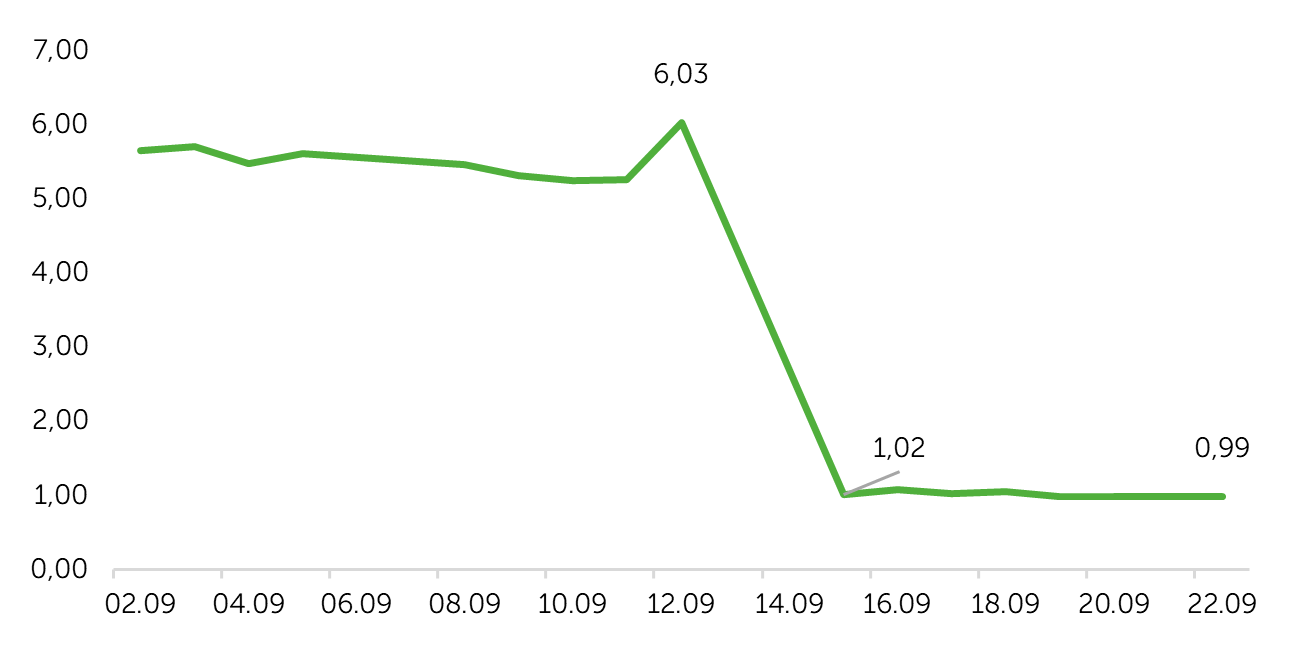
On September 15, aTyr Pharma (ATYR) reported results from its EFZO-FIT (Phase III) study targeting pulmonary sarcoidosis. The primary endpoints focused on steroid dose reduction but were not met, as differences from the placebo were nonsignificant. However, the study showed significant secondary improvements, including better quality of life on the KSQ-Lung Score and higher rates of complete steroid discontinuation in the efzofitimod 5.0 mg/kg group. Despite the mixed results, aTyr Pharma remains committed to the program, planning to engage with the FDA to define efzofitimod's development path. The meeting will be crucial for determining the next steps. A favorable regulatory response could advance the EFZO-FIT program and initiate market entry for the drug. Conversely, an unfavorable outcome could significantly impact the company's future, potentially leading to its closure.
aTyr Pharma share price from September 1 to September 22
Source: FactSet
CrowdStrike
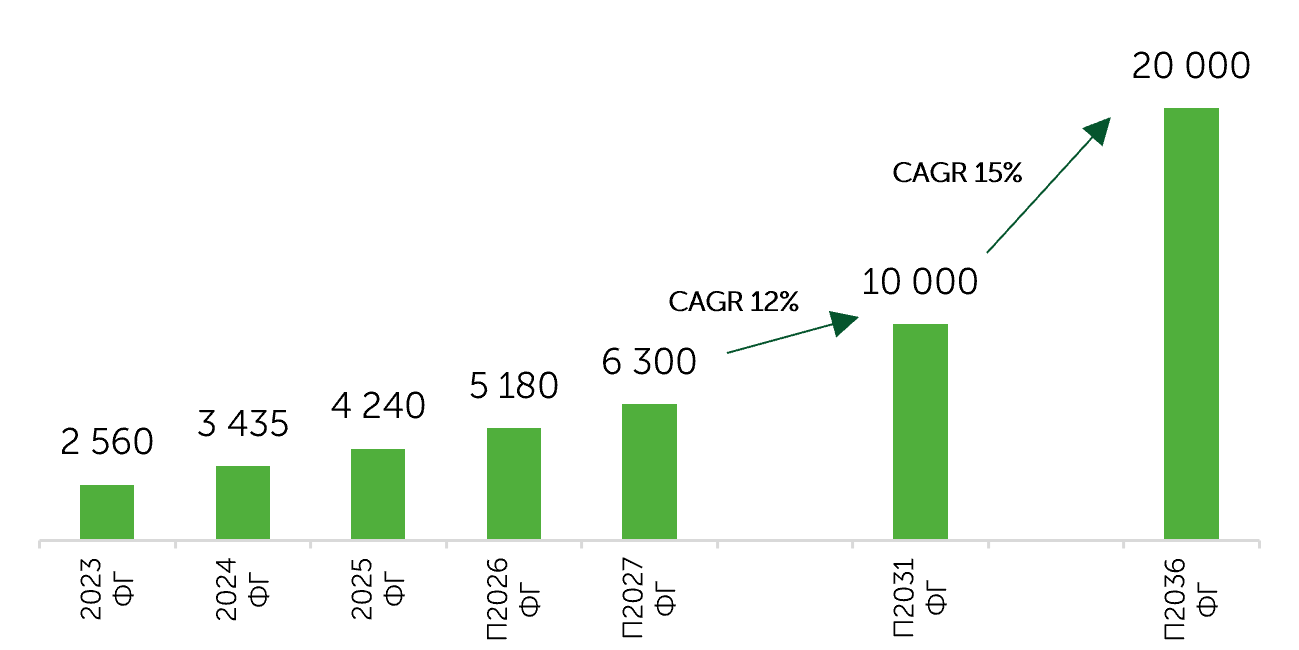
At the recent Investor Day, CrowdStrike (CRWD) elevated its growth projections, signaling a ≥20% increase in net new annualized recurring revenue (ARR) for FY2027, up from 17% in FY2026 and surpassing the consensus forecast of ~14%. This translates into an anticipated overall ARR growth of ~22% for FY2027. Management reaffirmed their target of reaching $10 billion in ARR by FY2031 and projected a long-term trajectory of doubling ARR approximately every five years, aspiring to ~$20 billion by FY2036. This guidance alleviates concerns regarding a potential slowdown beyond FY2026. Key growth drivers include the acceleration of Falcon Flex, an intensified focus on artificial intelligence initiatives (such as AgentWorks and new AI agents for SecOps), and targeted M&A with companies like Onum and Pangea to broaden the platform’s capabilities. In the short term, the ARR upgrade has prompted a re-evaluation of market expectations and the expansion of the company's valuation multiple. For the market to sustain this positive momentum, confirmation of an uptick in net new ARR is essential in the upcoming reporting periods, along with evidence of successful Falcon Flex and AI-agent cross-sales.
Annual recurring revenue (ARR) dynamics, million $
Source: presentation by CrowdStrike Holdings, Inc.
J.P. Morgan Chase
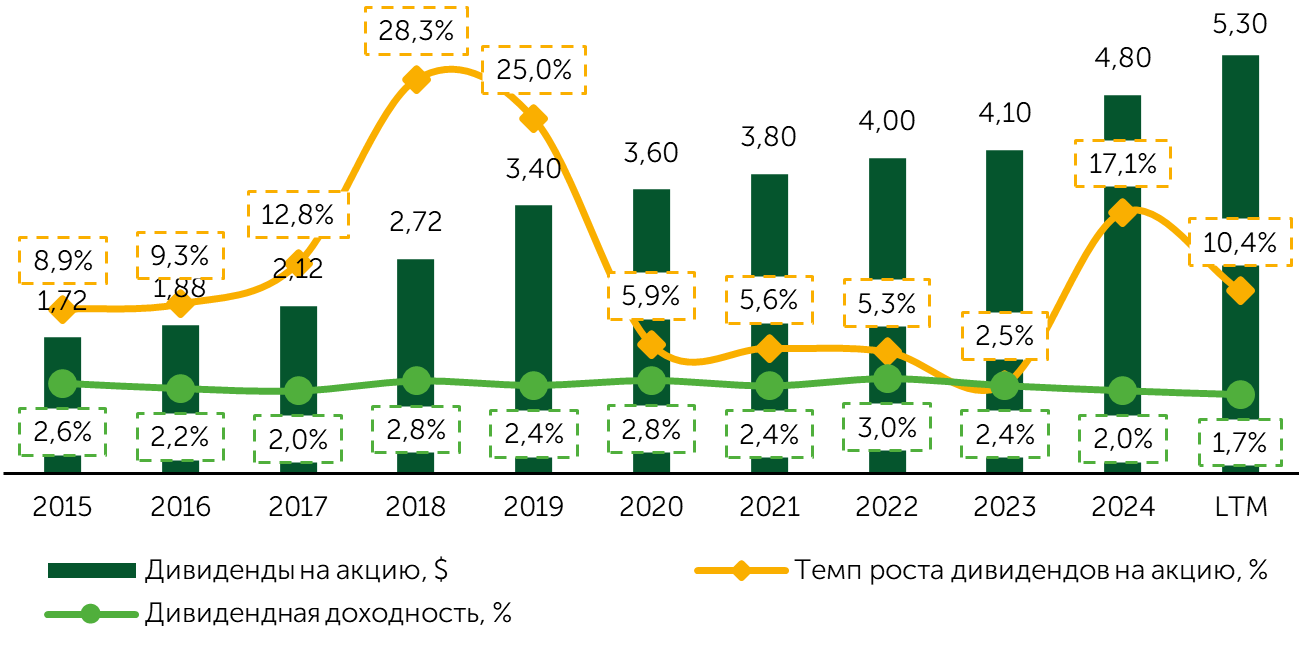
JPMorgan Chase's (JPM) Board of Directors has approved a 7.1% increase in the quarterly dividend, raising it to $1.50 per share. This follows the announcement made in July post-Fed stress test results, aligning with a trend of major banks enhancing their dividend offerings. This marks the second increase for JPMorgan in 2025, subsequent to a 12% raise in March, underscoring consistent EPS and dividend growth patterns. As a result of rising stock prices, the dividend yield stands at approximately 1.7%, nearing the historical lower range.
The dividend increase signals the bank's confidence in its capital stability, despite potential capital constraints, including stress buffer adjustments. JPMorgan maintains the largest Common Equity Tier 1 (CET1) reserve among U.S. universal banks, which affords significant latitude for capital returns to shareholders.
Moreover, JPMorgan has initiated a $50 billion share buyback program starting July 2025, representing the largest buyback commitment among major banks. These active repurchases enhance EPS growth beyond earnings and bolster shareholder returns.
Historical Dividends Per Share and Dividend Yield for JPM Shares
Source: FactSet, Freedom Broker analysis
NVIDIA
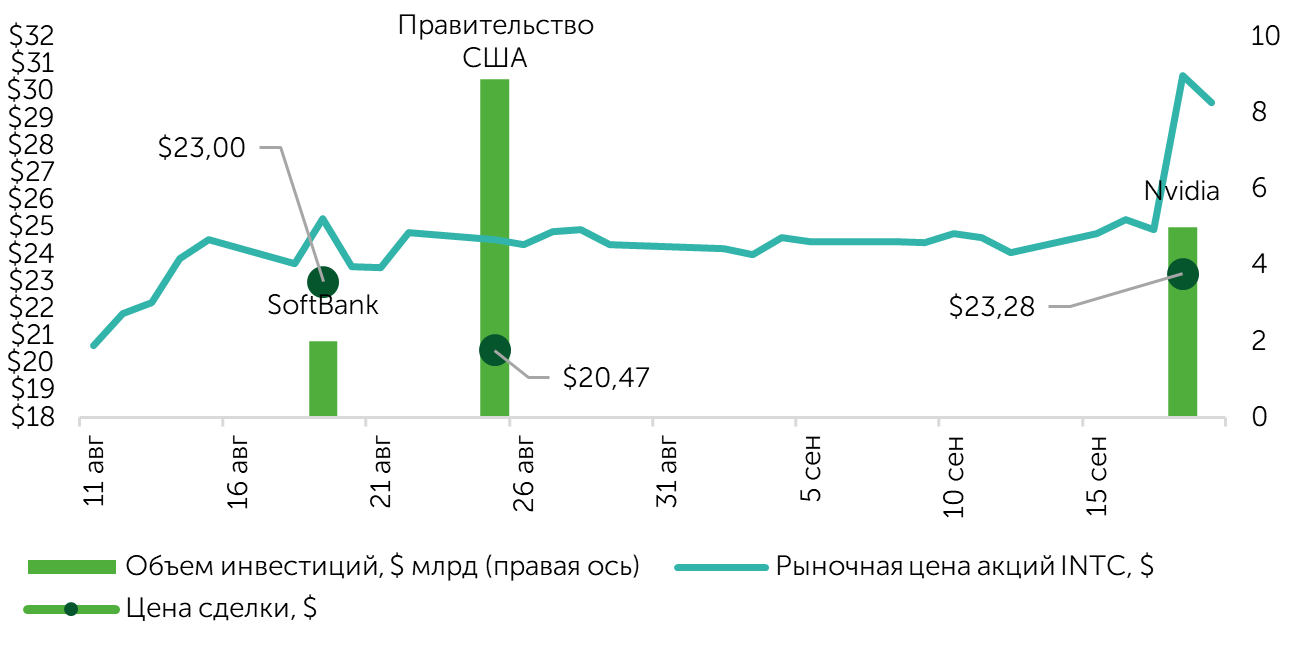
On September 18, Nvidia Corp. (NVDA) has announced a significant equity investment of $5 billion in Intel Corp. (INTC), acquiring over 4% equity. Concurrently, both companies entered a strategic partnership focusing on the development of chips and components for data centers and PCs. This marks Nvidia's largest investment in recent years, aimed at bolstering its vertical supply chain integration. The partnership stipulates that Intel will focus on developing CPUs that will be integrated with Nvidia's GPUs, targeting both data center and PC markets. Although Nvidia has not made any commitments to process chip orders through Intel’s fabrication facilities, it intends to leverage Intel’s advanced packaging capabilities. For Intel, this partnership not only injects $5 billion in capital but also solidifies its position within the semiconductor industry's future landscape, fostering close integration with Nvidia, one of the most valuable technology companies of the decade. Nvidia, on its part, aims to harness Intel’s technology to deliver more competitive offerings against AMD and other competitors in the market.
The tangible outcomes of this partnership are yet to materialize, with initial results anticipated no sooner than 2026. The deal likely carries political dimensions, aiming to revitalize the U.S. semiconductor sector. Following the announcement, Intel's shares surged by 23%, while Nvidia's shares rose by 3.5%.
History of Intel Corp. (INTC) investment attraction in recent months
Source: Company data, FactSet, Freedom Broker analysis
Oracle
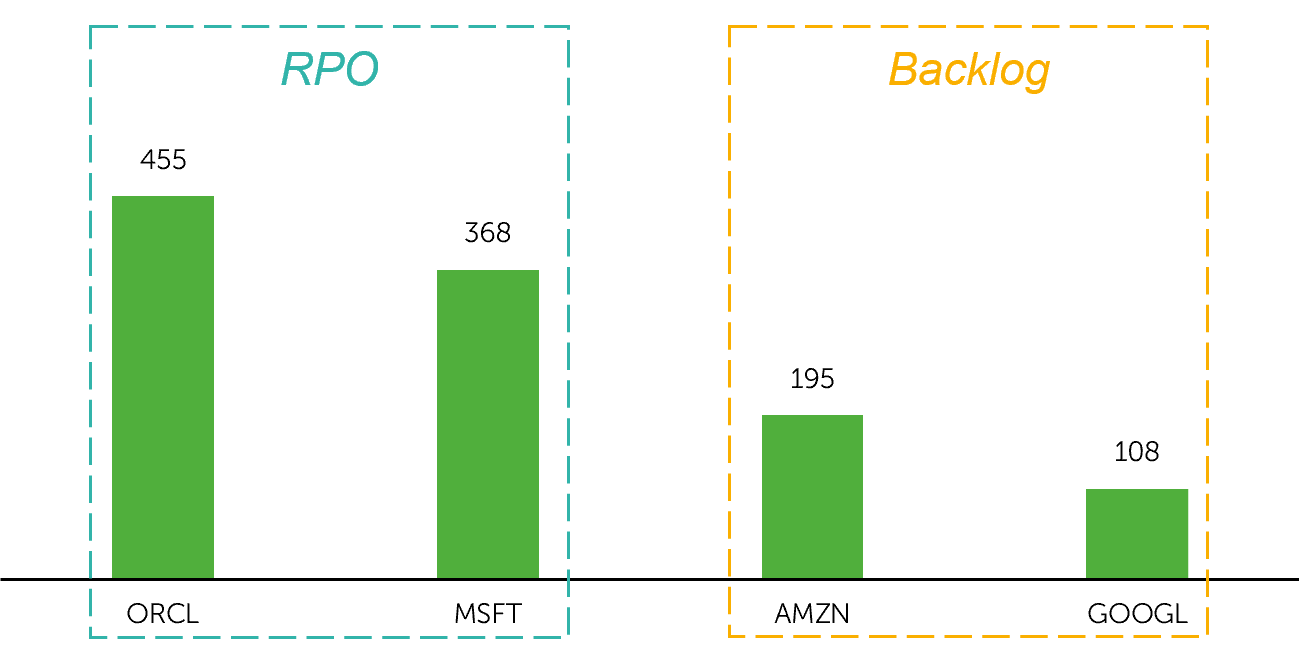
On September 9, Oracle Corp. (ORCL) announced its fiscal year 2026 first-quarter results, marked by mixed outcomes. However, the standout feature was a remarkable 359% y/y increase in its remaining performance obligations (RPO), reaching $455 billion, attributed to significant contracts with entities such as OpenAI, xAI, Meta, NVIDIA, and AMD. Management anticipates the RPO to exceed $500 billion in the coming months. The company offered an initial preview of its updated growth trajectory for its cloud business, Oracle Cloud Infrastructure (OCI), with a commitment to provide further details at the upcoming Investor Day. Additionally, the company reported record revenue growth of 1,529% y/y in its multi-cloud integrations with AWS, Azure, and GCP. While the traditional software segment showed signs of stagnation, Oracle's cloud business, encompassing IaaS and SaaS, demonstrated accelerated growth, with the operating margin surpassing market expectations. Management intends to increase capital expenditures further. Investor attention has shifted from short-term quarterly results to the long-term growth potential of OCI over the next four to five years. By the close of the trading session on September 10, Oracle's shares had surged by 36%.
Volume of US big tech companies' contract portfolios, $ billion
Source: Company data, Freedom Broker analysis