
On July 6, Syntiant Corp. announced that it is preparing for an initial public offering (IPO). The company will list on NASDAQ under the ticker SYTN. Syntiant develops chips and software for processing data directly on devices. The company operates in the fast-growing physical AI market, but its investment appeal is limited by persistent losses and high uncertainty regarding the offering terms.
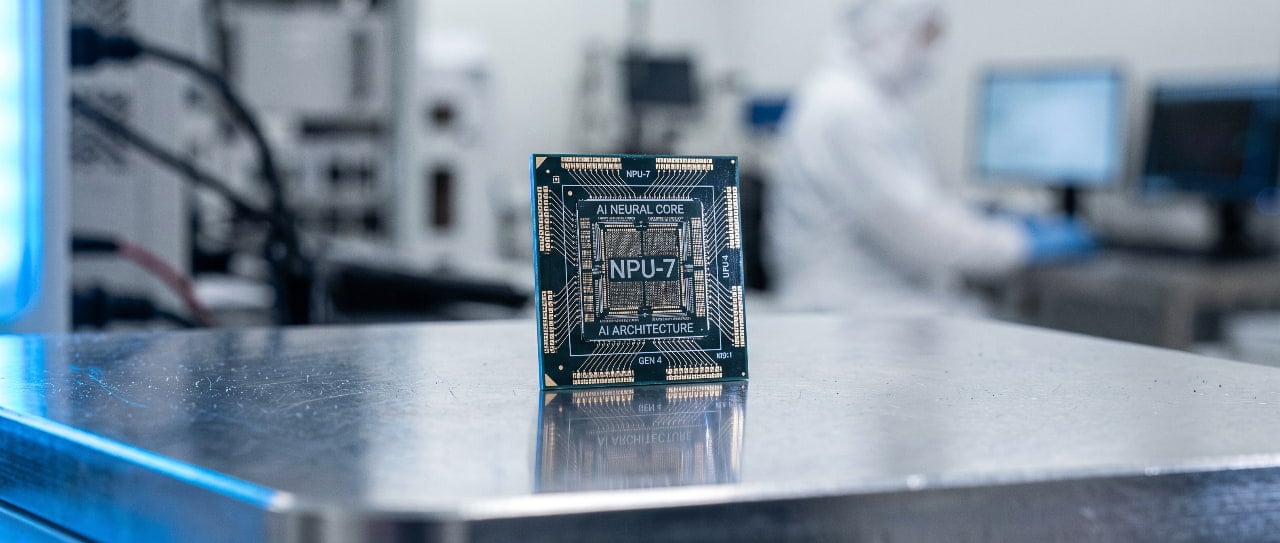
AI chips that run directly on-device
Syntiant develops hardware-software platforms for processing audio, images, and data from various sensors directly on end devices. Its solutions include specialized neural processors, energy-efficient sensors, and software tools for developing and deploying machine-learning models.
The company’s technologies are used in headphones, wearables, smart speakers, automobiles, industrial systems, and robots. As of March 31, 2026, solutions from Syntiant had been integrated into tens of millions of devices worldwide, and the number of shipped SiSonic sensor products exceeded 25 billion units.
According to Freedom Broker analysts, the company’s key advantage is its ability to provide continuous data processing with low power consumption directly on the device. This reduces reliance on cloud infrastructure, lowers processing latency, and enables AI in use cases where constant internet connectivity is impossible or undesirable.
The physical AI market could grow 27% per year
Syntiant estimates its addressable market in physical AI at about $7 billion in 2025. By 2030, the company expects it to expand to $22 billion, implying a compound annual growth rate of about 27%.
This refers to a segment in which artificial intelligence runs not only in the cloud but also directly in physical devices. This is especially important for wearable electronics, automobiles, industrial equipment, and other systems that require continuous real-time information processing.
Revenue surged, but the business remains unprofitable
In 2025, Syntiant’s revenue rose by 1,892%, reflecting a sharp expansion of the business after scaling its product platform and acquiring Knowles’ consumer MEMS microphone business (an electroacoustic device that converts sound vibrations into electrical signals) in December 2024. The deal value was $150 million. The agreement enabled the company to expand its product lineup and commercial ties with major electronics manufacturers, as well as OEM and ODM companies.
Syntiant now offers customers not a standalone component but an integrated platform combining sensors, neural processors, and software.
In the first quarter of 2026, revenue declined by 3% year over year. At the same time, the company’s financial result remains negative: the EBIT margin improved from –192% in 2024 to –16% in 2025, but came in at –18% in January–March 2026. Leverage at the end of the latest reporting period was estimated at about 23% of assets.
The IPO could raise hundreds of millions of dollars
Syntiant filed for an IPO on July 6, 2026. The company plans to list shares on NASDAQ under the ticker SYTN. The exact offering parameters, including the number of shares, price range, and final proceeds, have not yet been disclosed. Preliminary estimates put the IPO size at about $100 million. The IPO underwriters include Citigroup, BofA Securities, UBS Investment Bank, Needham & Company, KeyBanc Capital Markets, Stifel, and Cantor.
Not an individual investment recommendation.