
Freedom Broker analysts maintained a “Hold” rating on shares of pharmaceutical company Merck & Co. (MRK) and raised the target price from $110 to $125. At the current price of $130.4, this implies downside potential of about 4%. According to the experts, strong momentum in Keytruda and new drugs supports the company’s results; however, dependence on the flagship oncology drug and uncertainty around Gardasil sales limit the upside potential for the stock.
What Merck is
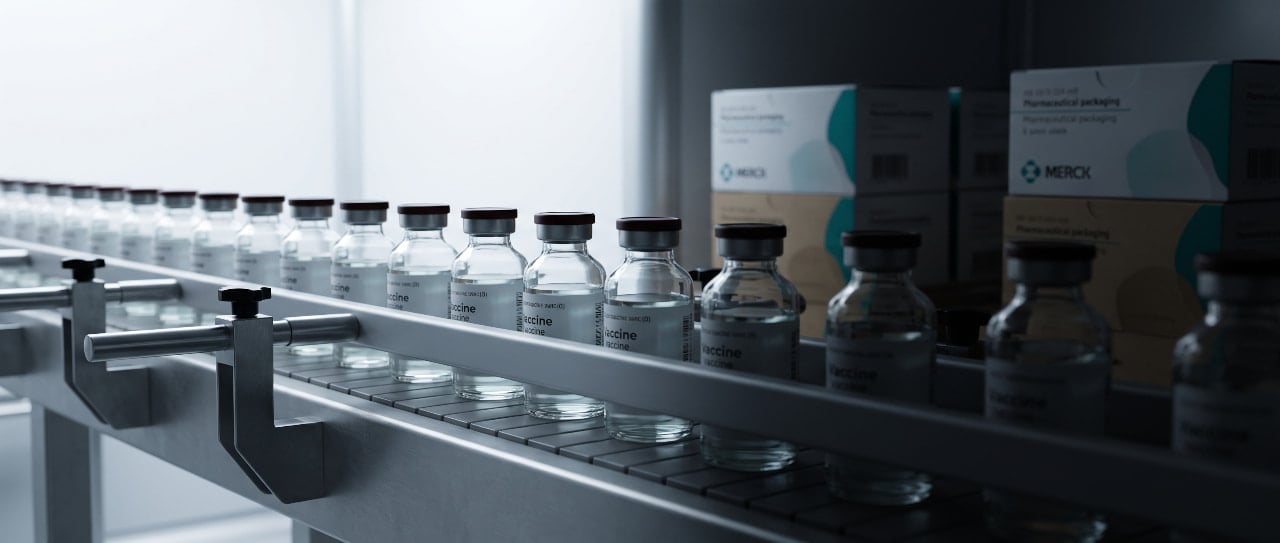
Merck & Co. is one of the world’s largest pharmaceutical companies, operating in prescription medicines and vaccines. The company’s main revenue source is the oncology drug Keytruda, but Merck is actively developing new areas to offset potential pressure after the drug’s patent protection expires.
Keytruda and new drugs support growth
The analysts noted that they expect strong results from Merck for Q2 2026 thanks to resilient Keytruda momentum and growth of new drugs, while they view Gardasil vaccine results as a key pressure factor.
Keytruda is Merck’s innovative anticancer drug, belonging to the PD-1 inhibitor class and used in immunotherapy. The medicine helps the immune system recognize cancer cells and activate the body’s own defense mechanisms to fight tumors.
According to the experts’ estimates, Keytruda sales in Q2 may amount to $8.35 billion. In the U.S., the number of prescriptions in Q2 increased by about 22% y/y, indicating sustained strong demand.
The portfolio of new drugs plays an important role in business diversification. Sales of WINREVAIR, a treatment for pulmonary arterial hypertension that increases exercise tolerance and reduces the risk of disease progression, rose 88% y/y in Q1 to $525 million.
Financial results for the first quarter
In Q1, Merck’s revenue increased to $16.3 billion. At the same time, the company recorded a net loss of $4.24 billion versus a profit of $5.08 billion a year earlier. The main reason was a one-time charge related to the acquisition of antiviral and antifungal drug developer Cidara Therapeutics in January 2026: its impact amounted to $3.62 per share. Excluding one-off factors, adjusted earnings were $1.28 per share. The company expects 2026 revenue to come in at $65.8–67 billion, and adjusted earnings per share at $5.04–5.16.
Lipfendra could become a new multi-billion-dollar driver
The key long-term catalyst for Merck, analysts believe, is approval of Lipfendra, the world’s first pill medication to lower “bad” cholesterol (LDL). The drug could expand access to therapy for patients for whom injectable medicines are inconvenient.
According to clinical studies, the drug delivered a 64.6% reduction in LDL cholesterol from baseline when added to statin therapy. Analysts estimate peak sales of the drug at about $5 billion. Lipfendra is priced at $10.50 per day, or about $315 per month.
Approval of Lipfendra opens up a potentially multi-billion-dollar new growth driver and strengthens the company’s long-term profile after Keytruda’s exclusivity expires, Freedom Broker believes.
Gardasil remains the main source of uncertainty
At the same time, analysts remain cautious regarding Gardasil, a vaccine that protects against HPV types 6, 11, 16, and 18, which cause dangerous cancers and genital warts. In Q1, sales of the drug fell 22% due to lower demand in China and Japan, and by 10% in the U.S.
Preliminary U.S. prescription trends in Q2 look better: the number of prescriptions increased by about 16% y/y. Therefore, Freedom Broker raised its Q2 Gardasil sales forecast to $1.24 billion—about 5% above the consensus estimate.
The main risk is how quickly international demand, primarily in China, will recover. An additional factor of uncertainty remains the expected long-term loss of exclusivity for Keytruda.
Merck outlook
According to the analysts, Merck’s long-term investment appeal will depend on whether the company can offset potential declines in Keytruda sales through new drugs and pipeline-expanding deals. Key growth drivers include maintaining strong demand for Keytruda, a successful Lipfendra launch, further expansion of WINREVAIR, and a recovery in Gardasil sales in China.
Merck is also counting on developing new business areas. Previously, the company estimated potential revenue from additional growth drivers by the mid-2030s at about $70 billion. At the same time, the company raised its forecast for cardiometabolic and respiratory drugs to $20 billion, and for medicines to treat infectious diseases to $15 billion. The company is also actively investing in new developments and using M&A deals to reduce dependence on Keytruda.
Not an individual investment recommendation/