
Freedom: delays in Starship testing may restrain a rebound in SpaceX shares
Stock Market News
21 August 2026, 21:21
SpaceX (SPCX) shares on August 20 fell by 4.05% after founder and CEO Elon Musk reported a delay in one of the key stages of Starship testing. The stock finished trading about 1% below the IPO price, which was $135 per share. Freedom analyst Natalia Milchakova believes that the main negative factor for investors was not only the postponement of the tests and the drop in quotes below the offering price. Since June 2026, SpaceX shares have still been unable to return to the levels reached shortly after the IPO.
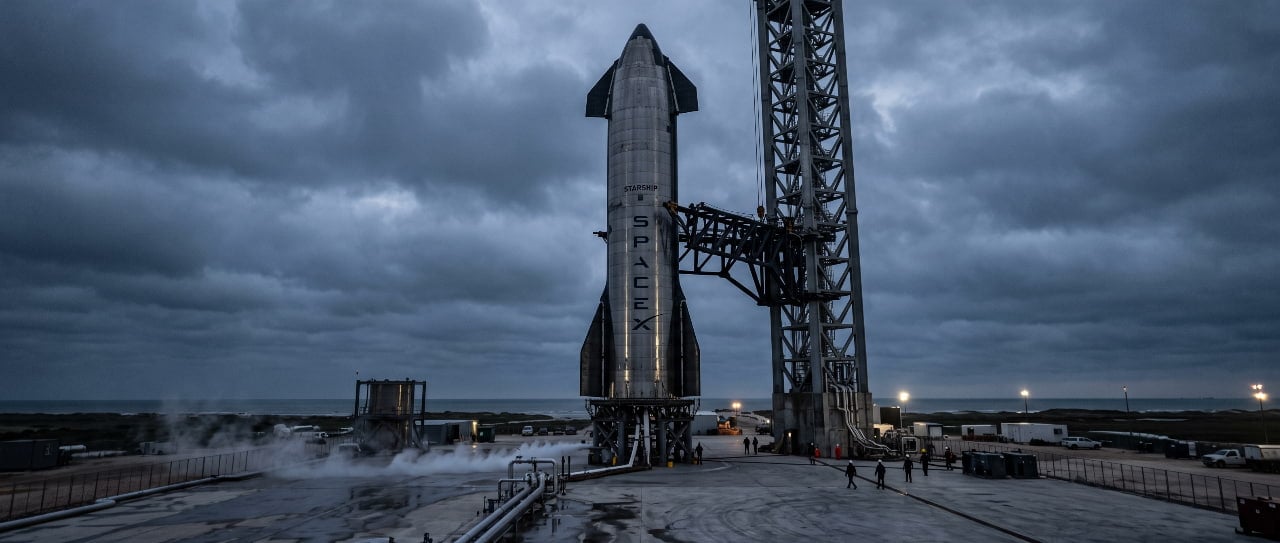
Starship tests postponed for several months
SpaceX is Elon Musk’s aerospace company engaged in rocket launches, satellite systems, and the development of the reusable Starship spacecraft. Starship tests are important for the company’s long-term projects, including those related to crewed space missions.
SpaceX is working to make both stages of the Starship system fully reusable. One of the next steps is expected to be returning the spacecraft to the launch pad. Musk previously said the company could attempt such an operation as early as Starship’s 14th test, but on August 20 he said this stage will likely take place only in a few months. An official date for the next mission has not yet been announced.
According to Natalia Milchakova, the rescheduling of the test means delays in implementing part of SpaceX’s ambitious projects that investors counted on when the company went public. At the same time, a successful outcome of the next testing stage is also not guaranteed.
Against this backdrop, a recovery in quotes to the highs reached after the IPO may take a prolonged period of time, the Freedom analyst believes.
SpaceX shares saw a sharp rise and a correction after the IPO
SpaceX held its IPO on June 12, 2026, placing 555.6 million shares at $135 per share. The offering size was $75 billion, and demand from institutional and retail investors exceeded $350 billion.
After listing on Nasdaq, quotes surged. On the first day of trading, the stock opened at $150, rose above $175, and closed the session well above the offering price. By June 17, the shares’ gain since the IPO exceeded 62%, and SpaceX’s market capitalization reached $2.65 trillion.
Then the initial hype gave way to a correction. By August 20, SpaceX shares had fallen to $134, i.e., about 1% below the IPO price. Thus, in two months the stock went from a rapid post-offering surge to slipping back below the starting mark of $135.
SpaceX secured over $8 billion in Golden Dome contracts
SpaceX’s operational outlook is not tied only to Starship. On August 21, Freedom wrote about SpaceX contracts under the Golden Dome program totaling more than $8 billion. This is no less than one-third of the total budget allocated to the project.
Golden Dome is a U.S.-developed missile defense system intended to use a satellite network to detect and track missile threats. SpaceX is participating in the project as a supplier of space infrastructure: the company has received government orders for military data-collection satellites and the provision of rocket launches.
SpaceX’s contracts account for at least one-third of the total budget allocated to the project. Thus, large government orders remain one of the factors supporting the company’s business amid uncertainty over the timing of the next stages of Starship testing.
Morgan Stanley expects SpaceX shares to more than double
Previously, Freedom wrote about Morgan Stanley’s positive view of SpaceX. The investment bank maintained an “overweight” rating on the company’s shares and a $300 target price. Among the factors for revaluing SpaceX, Morgan Stanley cited the development of the company’s artificial intelligence business.
This is not an individual investment recommendation.