
Short-term oil price dynamics remain uncertain, according to Freedom senior analyst Sergey Pigarev. Continued attacks by pro-Iranian forces in Yemen on Saudi Arabia’s infrastructure and delays in restarting the East–West oil pipeline could again push quotations higher. A de-escalation of geopolitical tensions, by contrast, would put pressure on crude prices.
Last week, WTI crude fell 4% to $96.1 per barrel. Prices declined amid expectations of a partial restoration of supplies from Saudi Arabia and diplomatic efforts aimed at halting Houthi attacks on Saudi oil infrastructure.
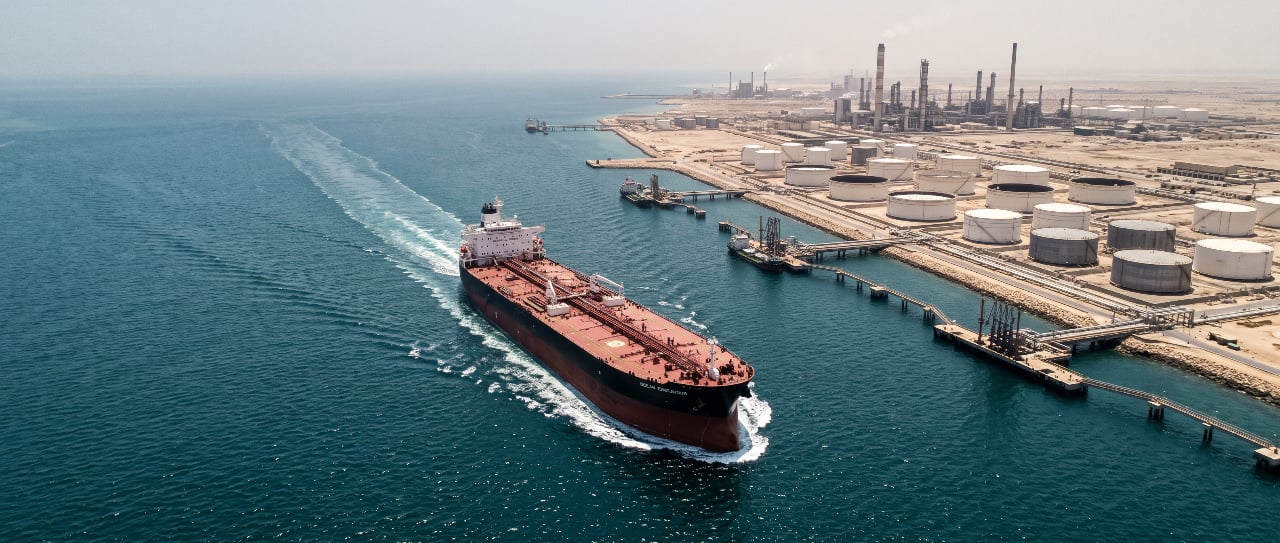
Geopolitical risks remain high
The situation in the Middle East continues to pose a threat to supplies. The Houthis are advancing in Yemen toward the Bab el-Mandeb Strait—one of the key routes for transporting oil and petroleum products.
An additional factor is the East–West oil pipeline, which links Saudi Arabia’s fields with ports on the Red Sea and allows shipments to be rerouted bypassing the Strait of Hormuz. A prolonged restart could limit the country’s export capacity.
U.S. petroleum product inventories rose
Weekly data from the U.S. Department of Energy came in negative for oil quotations. Domestic production held near a record high at 13.94 million barrels per day. Total inventories of crude oil and petroleum products increased by 2.2 million barrels.
Commercial crude inventories fell by 0.7 million barrels to 423.4 million. At the same time, petroleum product inventories rose by 3.3 million barrels to 827.8 million, while crude throughput declined by 0.3 million barrels per day to 17.3 million.
Sales of gasoline, diesel, and jet fuel rose by 0.1 million barrels per day to 14.1 million. At the same time, the crisis situation in the petroleum products market persists ahead of the winter season and the autumn harvest campaign. Russia extended its ban on diesel fuel exports through the end of October 2026, and Ukrainian forces carried out new strikes on Russian oil refineries.
U.S. drilling activity increased
The number of active oil rigs in the U.S. rose by two over the week to 461, and gas rigs also increased by two to 134. The total rig count reached 595, up 9.8% year over year.
In Canada, drilling activity declined. The number of oil rigs fell by seven to 135, and gas rigs by three to 62.
Further moves in oil quotations will depend on the development of the conflict in the Middle East, the timeline for restoring Saudi infrastructure, and conditions in the global petroleum products market.
The oil market reacts to supplies and U.S. data
Previously, Freedom Broker warned of risks to the stock market due to expensive oil. Rising energy costs intensify inflationary pressure, increase companies’ expenses, and may limit central banks’ ability to cut interest rates.
The situation in the U.S. market remains mixed. In the previous reporting week U.S. oil inventories fell less than expected, and later the total number of active oil and gas rigs increased. Growing drilling activity could support production and restrain oil price gains.
This is not an individual investment recommendation.