Financier №4 (40) 2025
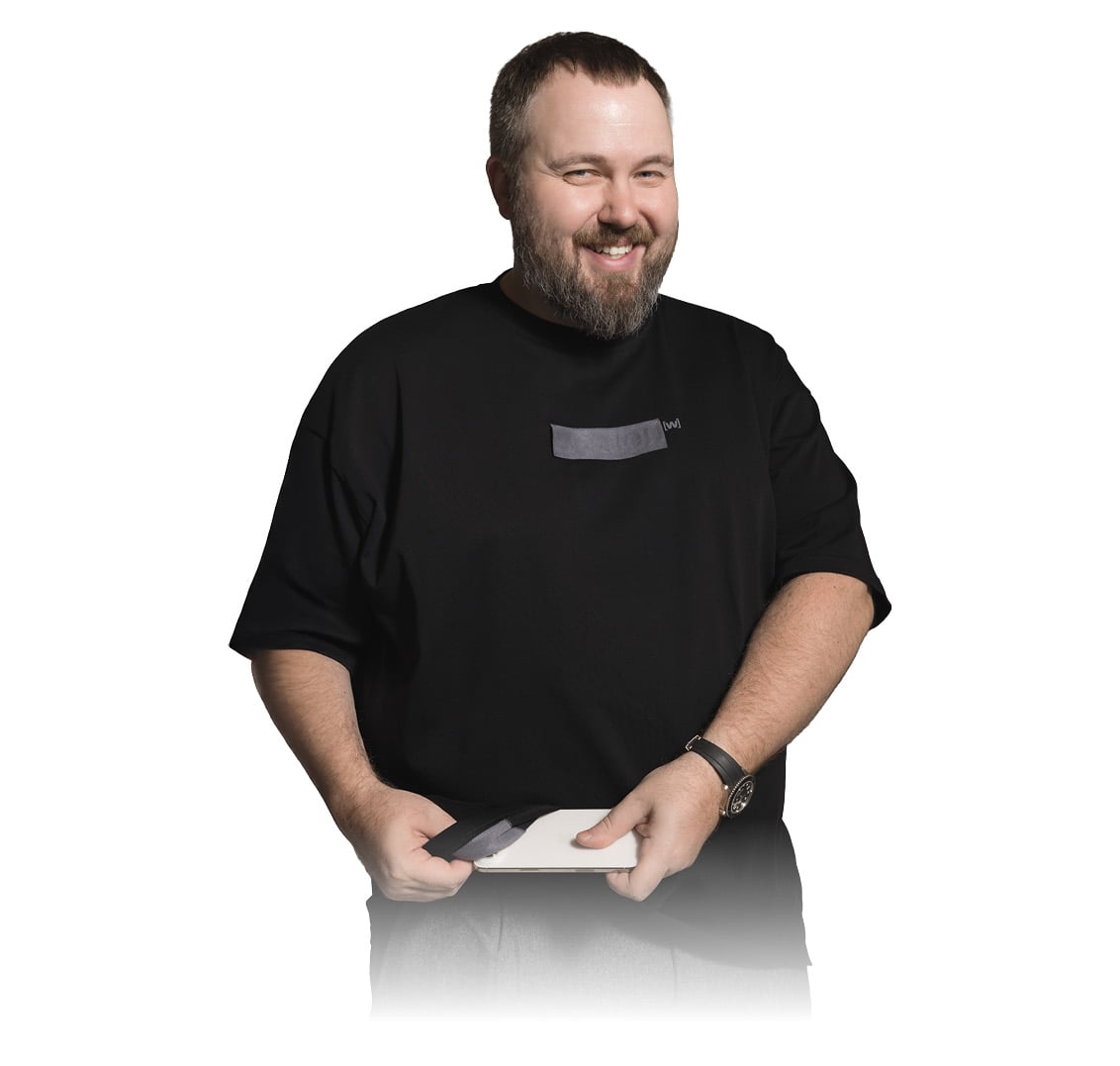
Guest of the issue – Wylsacom
«People realized they value face-to-face communication more than living in VR headsets in virtual Paris»
Techno blogger Wylsacom, aka Valentin Petukhov, talks about which gadgets will be popular in the future, the dangers of AI-generated content, how dependence on the Internet arises and why everyone sometimes needs a digital detox.
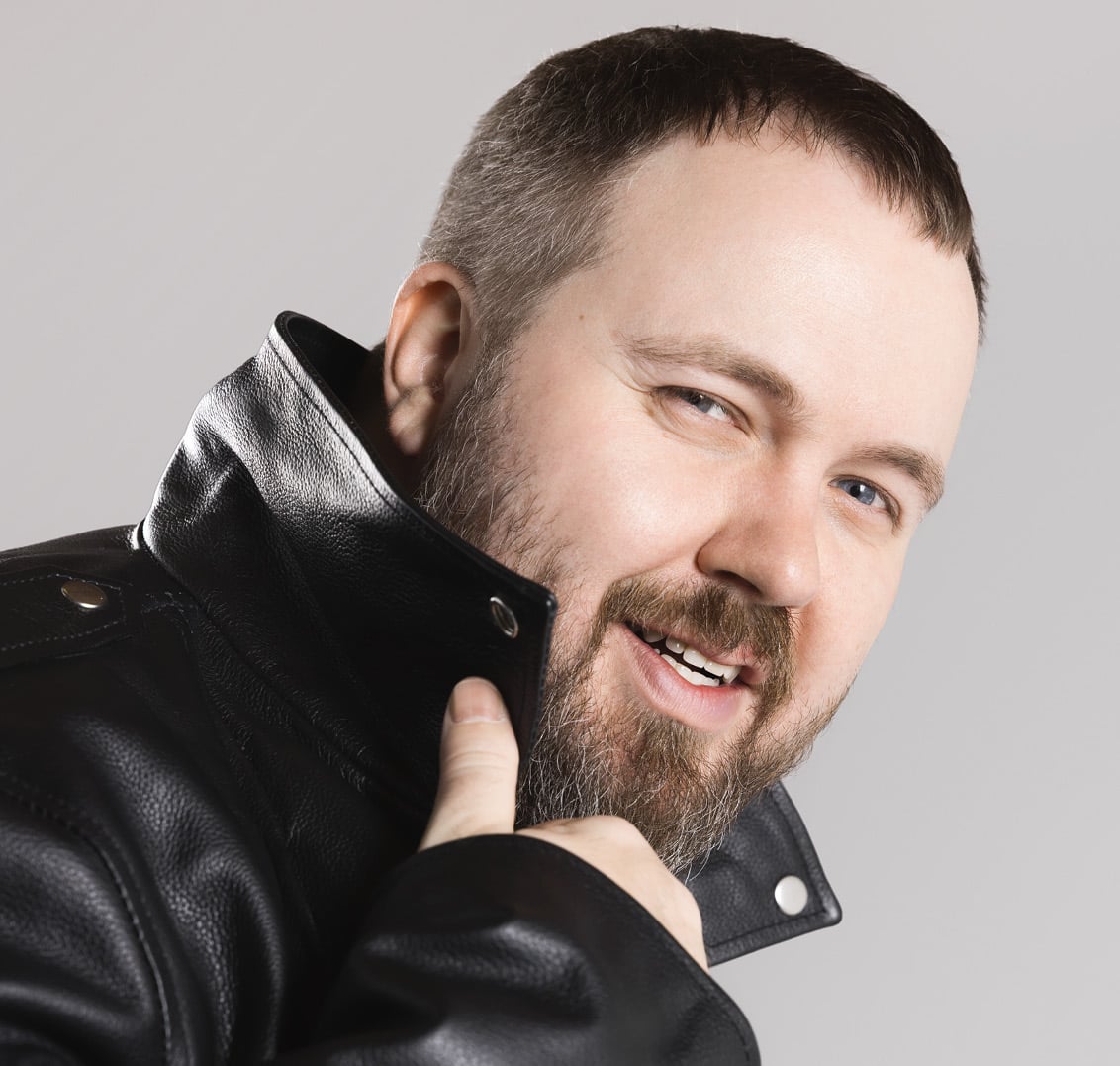
Photographers: Rita and Anton Smirnov. Stylist: Natalia Noskova
When did people start recognizing you on the street?
It happened at a mall, and I thought, at long last! But later I realized how wrong I was, because that was the beginning of the end of my private life. It’s difficult when this happens all the time. Still, I take photos with everyone and talk to them.
What’s the hardest thing about being a tech blogger these days?
Format fatigue. There are only a few events left that truly attract mass attention, like the release of a new iPhone. In reality, smartphones have become something like microwave ovens—everyday appliances that are extremely mundane. It’s unlikely anyone sits down to dinner and thinks, “I wonder what’s new in the world of microwaves?” That’s why we need to change formats and rethink our approach.
How has your understanding of telecom changed in recent years?
The market is finite: almost everyone has a SIM card now, and it’s unclear where new users will come from. Providers are trying to monetize existing customers in other ways—streaming, bookings, podcasts—and these areas are developing in quite interesting ways.
Did the new iPhone live up to expectations?
No. Investors were expecting a “wow” effect, but it didn’t happen. As usual, Apple shares dipped slightly after the presentation. Rumors suggest that Tim Cook will leave the company next year, which could put significant pressure on the market. At the same time, Apple continues to produce the world’s best-selling devices with the highest margins, even without massive investment.
What’s your opinion on neural content generation?
On the one hand, it provides freedom and creativity. On the other, I see serious consequences—especially the imitation of video content featuring real people. Sam Altman from OpenAI once said he wants to create something like a neural analogue of TikTok—a social network where AI generates everything. At first, this sounded silly to me, but then I realized it might make sense if we clearly separate human and neural content. Such content should carry a digital label stating “Neural Network Generated.”
What devices are driving technological advances in cars, cameras, drones, and beyond?
Neural computing has revolutionized many areas, from autopilots to computer vision. At the same time, technology is evolving so rapidly that engineers can barely keep up. The shift to remote work in 2020 left a lasting impact, and we are still dealing with the consequences. Many processes were restructured, and products that could have been released this year are now delayed by several years. People have also started treating cars like smartphones—they want to upgrade them every year. China is taking full advantage of this trend.
Has an internet outage ever ruined your workday?
Absolutely. In general, having no internet is less painful than having bad internet. Our studio experiences occasional power outages, so we’ve increased our autonomy and can operate for up to 24 hours using our own generator.
Which countries or cities surprised you technologically?
China impressed me: electric cars are everywhere, and there’s almost no traffic noise. Tokyo disappointed me, because I arrived expecting robots everywhere. There is high technology, but also many very old systems. The US was also surprising. When Apple Pay was first introduced, I tried to use it, and the cashier looked at me as if I were crazy. In 2019, Americans were thrilled just to receive a phone notification confirming a Starbucks purchase. I watched and thought: in both Russia and Kazakhstan, we’d had this for years.
Do you feel responsible for how reviews influence users’ choices?
We take this very seriously. At the same time, there’s a real glut of fraudulent schemes right now, and people are handing over money indiscriminately. Even so, when we promote something, it’s a product that is genuinely worth the money.
Is there a golden rule of digital hygiene?
Two-factor authentication and frequent password changes. Modern browsers and apps warn you: “Your password is in a database of stolen passwords—please change it.” People think, “Oh,” and move on. Passwords should be unique for every service. Backups are essential, because in today’s reality, losing your phone is far less painful than losing everything stored on it.

What technologies have changed your life the most?
The internet and smartphones. The release of the iPhone in 2007 and the launch of the App Store a year later were pivotal events—they paved the way for services like food delivery and mobile banking.
How do you know you’re dealing with a real technological breakthrough and not just another digital toy?
Many things I believed in never took off. For example, 360-degree panoramic cameras. I thought they were great, but it turned out people were too lazy to use them. The same applies to VR technologies and televisions—there’s still little you can do with them in a truly innovative way.
You often can’t predict what will succeed and what won’t. I didn’t immediately recognize the potential of neural networks. Some technologies tried to enter the consumer market but failed, like 3D printing. It remains an expensive business: a good printer costs a lot, and people prefer to use specialized services instead. That’s how 3D printing found its place in the B2C segment.
Other technologies, on the contrary, have exploded. Yet over the past 20 years, there haven’t been breakthroughs that fundamentally changed human consciousness. After the lockdowns of 2020, people realized they value face-to-face communication more than living in VR headsets in virtual Paris.
Do you use your technological knowledge in your personal investments?
I’m an Apple shareholder. I once bought Bitcoin for $3,000. Banks and brokers approached me with advertising offers, but I didn’t want to promote products I didn’t use. Instead, I set aside money and invested myself. At one point, I bought shares in companies that advertised with us, but I got caught in the general downturn during a market correction. To be honest, my portfolio today is down about 50% from my initial investment.
What advice would you give to someone starting to invest?
First, learn the basics. Follow people who know more than you. Of course, you can buy Apple shares and probably won’t lose money in the short term, but that’s not a strategy. There’s a huge number of educational products available today, which is both a benefit and a drawback. Many pseudo-experts should be avoided.
What technology will be the main driver of change by 2030?
Sam Altman and Jony Ive, Apple’s former chief design officer, are rumored to be preparing a product that could disrupt everything around 2026. I suspect it will be some form of neurocentric technology—a pendant or glasses that allow constant communication with a neural network. Neural assistants are gaining momentum, along with robots, implants, and exoskeletons. But all this will require enormous energy consumption. That’s why the most urgent breakthrough we need is in battery technology to ensure constant connectivity. It’s also a risky path: one mistake can cause a fire. New professions will emerge as well, because we’ll need people to monitor and manage these systems.
Do you experience digital fatigue?
Definitely. I’ve started practicing digital detox and stopped working on weekends. I think it will be easier for our children. I used to worry they’d spend all day on computers, but they perceive the world differently. For example, my kids prefer real-life activities, like running in the woods. That’s encouraging. I feel that humanity, as a whole, won’t lose itself in technology.