
Financier №2 (42) 2026
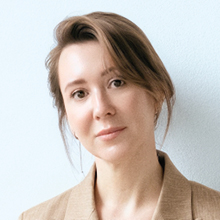
Natalia Kharlashina
Publishing Editor
Time and Money
A global generational shift is unfolding in the financial world. Tens of trillions of dollars in accumulated wealth are gradually passing from the post‑war Baby Boomer generation to their children (Generation X and Millennials) or grandchildren (Gen Z). How heirs will manage these funds and what this means for the stock market are the key questions of this issue of The Financier.
We have studied the history of major fortunes - from John Rockefeller to Elon Musk - and traced how changes in the economic order over the past 100 years have affected the sources of wealth and the speed of accumulating large fortunes. An interesting point: today, inheritance is no longer the primary way to form financial elites. The vast majority of Forbes ranking leaders have built their business empires themselves, rather than receiving them through family lines. Today, such businesses are worth dozens of times more than oil wells and coalmines - the key assets of early 20th‑century magnates.
The development of corporate governance has ultimately displaced the principle of heredity, putting competences and experience first. You can bequeath shares, but not a CEO position. Economic changes have paradoxically led to the emergence of movements that would have been impossible before. Major entrepreneurs are deliberately choosing not to pass significant assets to their family clans, opting instead to donate at least half of their wealth to charity - this is how The Giving Pledge initiative emerged.
You can inherit “factories and steamship”, though this happens rarely, or you can learn to build capital for the future on your own. In this context, it is important to understand that the main problem of pension systems in developed societies is the depletion of public funds due to the growing share of elderly, non‑working populations alongside a shrinking share of the employed. Against this backdrop, saving for old age has never been more relevant. Using the United States as an example, we have analysed why it is so important to start investing as early as possible - even if retirement seems far away. Those who are able to save more than 10 % of their income for the future may be interested in the principles of the popular F.I.R.E. movement, whose followers aim to accumulate as much money as possible by the age of 45 - we also have a dedicated article on this topic.
The star of the new The Financier is the “Einstein of Finance” - legendary New York Stock Exchange trader Peter Tuchman, who remains the personification of Wall Street for millions of people.
Enjoy reading!